Understanding Chlorohydrin 3-MCPD Contamination in Bragg’s Liquid Aminos
Chlorohydrins, particularly 3-MCPD, represent a significant concern in hydrolyzed vegetable protein products as well as in refined cooking oils. These compounds emerge as unintended byproducts during specific manufacturing processes that involve intense conditions.
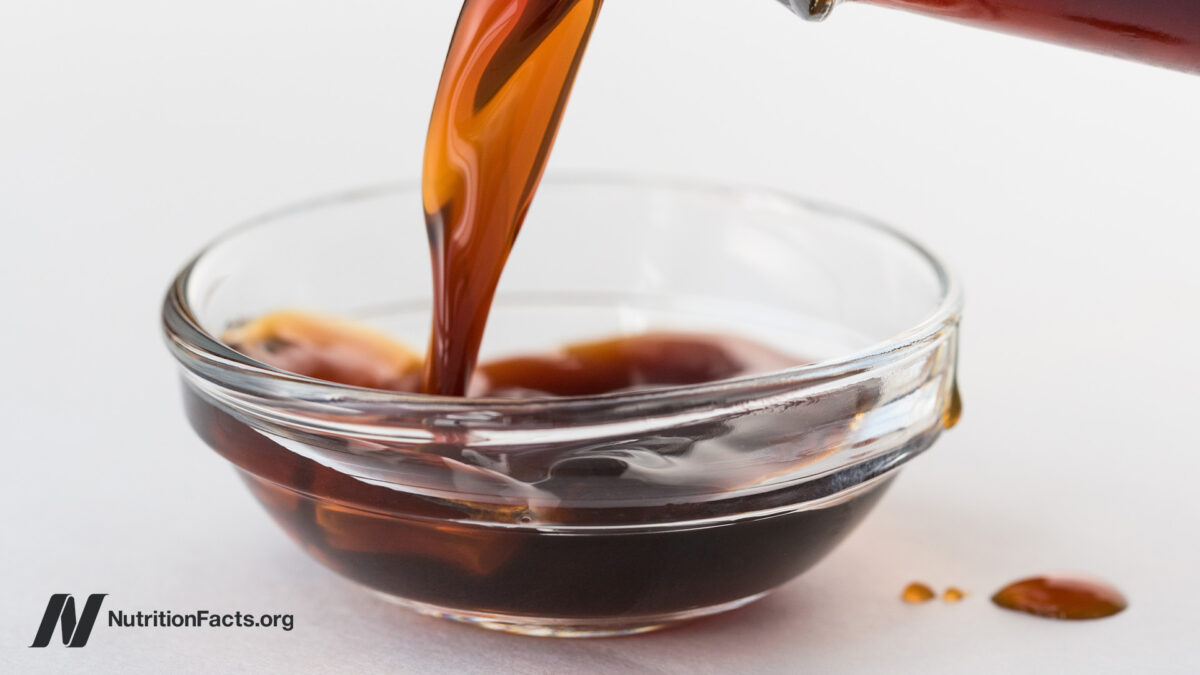
The discovery of chlorohydrins dates back to 1978 when they were initially identified in protein hydrolysates. To clarify, protein hydrolysates are created by breaking down proteins into their constituent amino acids through a method known as hydrolysis. This chemical breakdown releases free amino acids, such as glutamate, which possess remarkable umami or taste-enhancing properties. It is precisely this process that enables the production of affordable soy sauces and similar flavor enhancers, including popular options like Bragg’s Liquid Aminos. The procedure demands extreme conditions: elevated temperatures, substantial pressure, and the use of hydrochloric acid to effectively dismantle the protein structures. Unfortunately, any lingering fats or oils present in the raw materials under these harsh circumstances can react to produce harmful chlorohydrin compounds. Extensive testing has demonstrated that these substances exhibit toxicity in animal models, including mice and rats, raising important questions about their safety in human diets.
Compounds such as 3-MCPD have been labeled as a global challenge within the realm of food chemistry. While no comprehensive long-term clinical trials have yet been conducted on human subjects, the existing body of evidence from animal research points to potential risks, particularly concerning kidney function and reproductive health. During one phase of investigation, 3-MCPD was even explored as a candidate for male contraception due to its profound impact on sperm production. However, this line of research was abruptly halted when primate studies revealed severe and unacceptable side effects, including neurological damage. In rodent experiments, scientists observed shrunken and non-functional testes, which aligned with the intended contraceptive mechanism, but the broader implications in higher primates underscored the compound’s dangers.
In the absence of direct human data, establishing safe consumption thresholds becomes a complex endeavor. Experts typically rely on the lowest observed adverse effect level, or LOAEL, derived from animal studies-often kidney toxicity in this context-and apply conservative safety margins or fudge factors to extrapolate a tolerable daily intake, known as TDI. Applying this methodology to 3-MCPD reveals that individuals with very high consumption of soy sauce or similar products could potentially surpass these safety thresholds. That initial assessment stemmed from samples exhibiting exceptionally elevated contamination levels. In response, European regulators implemented strict limits, capping 3-MCPD at 20 parts per billion in hydrolyzed vegetable protein items such as liquid aminos and soy sauce. By contrast, U.S. guidelines remain considerably more permissive, allowing up to 1,000 parts per billion-essentially 50 times the European benchmark.
To gauge the situation with Bragg’s specifically, direct inquiries were made to the company. Positively, Bragg’s has commissioned independent third-party laboratory testing for 3-MCPD levels in their liquid aminos product. On the downside, despite repeated requests for complete transparency, the company declined to authorize public disclosure of the precise figures. Nonetheless, the results indicate compliance with U.S. regulatory guidance levels while falling short of the more stringent European standards.
This issue extends far beyond just soy sauce or liquid aminos; it marks only the beginning of the broader 3-MCPD narrative. Research conducted in Italy analyzed urine samples from participants for traces of 3-MCPD or its metabolic byproducts, revealing that every single individual tested positive. This outcome confirms the contaminant’s pervasive presence in the food supply as a common dietary exposure. Not everyone consumes soy sauce daily, however. The key factor lies in the chemical reaction involving residual vegetable oils during processing. Similarly, when vegetable oils undergo refinement-particularly steps like deodorization and bleaching-these high-heat, acidic conditions foster 3-MCPD formation.
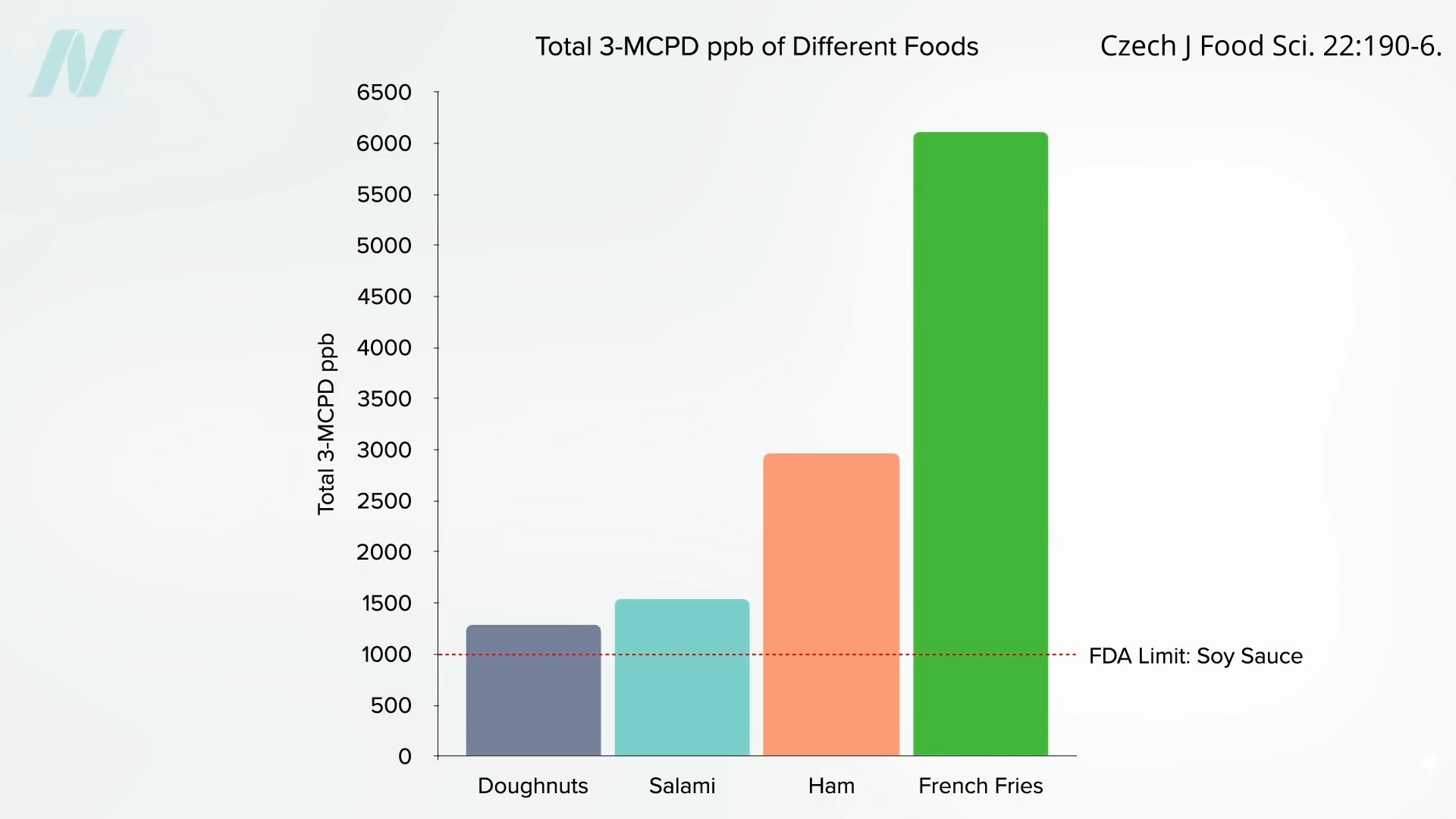
Scientific literature has long documented contamination across a diverse array of foodstuffs. These chemicals appear in products derived from oils and fats, manifesting in everyday items such as margarine, assorted baked goods, pastries, deep-fried preparations, savory snacks including potato and corn chips, and even infant formulas. The U.S. Food and Drug Administration maintains a guidance level of 1,000 ppb for soy sauce, yet certain common foods exceed this dramatically: donuts surpassing 1,200 ppb, salami over 1,500 ppb, ham approaching 3,000 ppb, and French fries exceeding 6,000 ppb. These figures highlight how routine dietary choices can lead to substantial exposure.
For the average person, this contamination may not pose an immediate threat unless fried and fatty foods dominate the diet. Consider an individual weighing approximately 150 pounds: consuming just 116 grams of donuts-roughly equivalent to two standard pieces-would propel their 3-MCPD intake beyond the European Food Safety Authority’s tolerable daily limit, assuming no other sources of exposure. Remarkably, the same excessive quantity could be ingested from merely five French fries, illustrating the potency of contamination in processed greasy foods.
Key Takeaways on 3-MCPD Exposure
- Chlorohydrins, exemplified by 3-MCPD, arise as toxic byproducts from high-heat, acid-driven hydrolysis of proteins, with animal data suggesting risks to kidneys and fertility.
- European regulations restrict 3-MCPD to 20 ppb in soy sauce and liquid aminos, contrasting sharply with U.S. allowances up to 1,000 ppb; Bragg’s product aligns with American but not EU criteria.
- Beyond seasonings, 3-MCPD contaminates refined oils, infiltrating fried snacks, baked items, margarine, pastries, and infant nutrition products.
- Minimal servings of high-risk foods, such as two donuts or five fries, suffice to breach safe daily intake for typical adults, emphasizing moderation in processed fats.
Delving deeper into this topic reveals patterns of food processing that inadvertently introduce these compounds. Hydrolyzed proteins rely on aggressive chemical treatments to yield flavorful amino acids, but the presence of even trace fats triggers chlorohydrin synthesis. Refinement of oils mirrors this, where bleaching agents and deodorizing heat exacerbate the issue. Global monitoring has detected these contaminants universally, prompting varied regulatory responses. While U.S. thresholds prioritize practicality, Europe’s caution reflects precautionary principles amid unresolved human health data. For consumers favoring Bragg’s, awareness of these dynamics informs balanced usage, especially alongside diverse whole-food seasonings. Ongoing testing and potential manufacturing tweaks could mitigate levels further, benefiting public health proactively.