In this edition, we delve into one of the most common inquiries I receive: the connection between ADHD and burnout, including why women seem especially vulnerable to this issue when living with ADHD.
Each Thursday, I explore in-depth a specific theme related to burnout for the month. With summer vacations in mind, our current focus is on rest and recovery strategies. Last week, I outlined the research-backed ways to organize work breaks and vacations to safeguard against burnout. Next Thursday, we’ll examine effective resting techniques during burnout recovery and the necessity of reshaping your approach to rest post-burnout. A vital tip: honor your burnout state and adapt to your revised baseline, or you could easily relapse. For access to these detailed explorations, subscribing is an option worth considering.
Today’s discussion stems from an Instagram query I fielded a few months back: Does ADHD heighten the chances of experiencing burnout?
To cut to the chase, absolutely, it does.
ADHD impacts core executive functions like working memory, cognitive flexibility, and impulse regulation, alongside attention and impulsivity. Research increasingly points to a strong correlation between ADHD and burnout, with this link appearing especially pronounced in women diagnosed later in life compared to those identified in childhood.
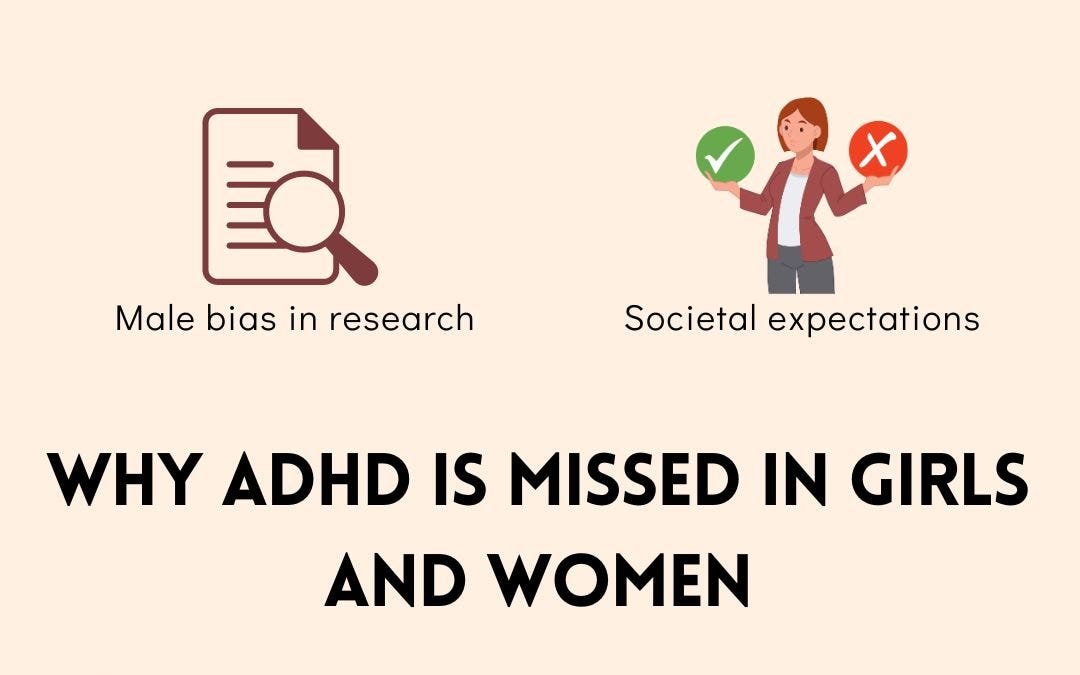
The surge in adult ADHD diagnoses among women is undeniable, evident from the flood of social media stories detailing the immense struggles and emotional turmoil many endure before and even after receiving their diagnosis. Experts believe women with ADHD face elevated burnout risks stemming from historical underdiagnosis or mistaken labeling as other mental health conditions.
Children with ADHD often display overt hyperactivity, constant fidgeting, impulsiveness, and actions without forethought. School performance suffers due to concentration deficits. Boys typically exhibit these classic signs, making diagnosis straightforward, while girls manifest symptoms more subtly, often evading detection in youth. In adulthood, for both genders, traits become less obvious as the mature brain compensates somewhat—particularly in women, who master masking techniques exceptionally well.
Signs of ADHD in Adults May Include:
- Struggling to complete projects after the initial exciting phases fade
- Challenges in organizing tasks and maintaining order
- Frequently forgetting scheduled appointments and commitments
- Procrastinating or avoiding mentally demanding tasks
- Needing to fidget or engage hands and feet during meetings or prolonged sitting
- Feeling excessively restless and driven to keep moving
- Committing careless errors in monotonous or repetitive work
- Trouble focusing on others’ conversations
- Repeatedly misplacing essentials like keys, wallets, or phones
- Easily sidetracked by surrounding noises or activities
- Difficulty in relaxing or winding down
- Excessive talking in social settings, interrupting, or completing others’ thoughts
- Impatience in queues or situations requiring waiting
(Adapted from the Adult ADHD Self-Report Scale (ASRS-v1.1) Symptom Checklist)
This symptom profile highlights how undiagnosed ADHD can sabotage key work elements. Notably, impairments in time management, organization, and stress handling elevate burnout incidence among those with ADHD (Barkley et al., 2008). Women with ADHD often encounter amplified workplace hurdles compared to men (Biederman et al., 2018).
Neurodiversity influences burnout through various direct pathways. ADHD individuals grapple with sustaining focus and attention, while organizational, prioritization, and planning deficits hinder output. Workplace misunderstandings and insufficient accommodations from colleagues and bosses compound stress, accelerating burnout onset.
For women, ADHD compounds burnout vulnerability via diagnostic and treatment barriers. They contend with pronounced issues in time management, organization, and planning, fueling exhaustion in high-pressure settings like jobs (Biederman et al., 2018). Late diagnoses foster emotional turmoil and self-criticism, perpetuating the burnout loop.
Healthcare providers must recognize these distinct hurdles for women with ADHD and deliver tailored interventions. Regrettably, within the UK’s NHS, this proves challenging. In my region, adult ADHD service waitlists stretch into years. This protracted delay inflicts profound frustration, anxiety, and inequity on patients awaiting diagnosis, let alone therapy. Previously, options like Psychiatry UK via Right to Choose bypassed delays, but referral overload now prevents even assessment timelines, per their site. NHS ADHD provisions for suspects remain woefully inadequate. For late-diagnosed individuals, attributing burnout to unrecognized neurodiversity brings relief and unlocks symptom and stress management avenues.
Addressing burnout alongside ADHD introduces extra layers of intricacy to prevention and healing—a formidable task even without neurodiversity. Medical backing proves invaluable, though medications aren’t ideal or desired for all. Psychological therapies aid in reshaping burnout-contributing thoughts and habits. Workplace modifications, like delegating executive duties, curbing multitasking, and reconfiguring daily routines to minimize overload, are essential. Consulting occupational health specialists or ADHD-focused career coaches yields targeted benefits.
Burnout arises from myriad personal factors: personality traits, imposter feelings, perfectionist tendencies, people-pleasing behaviors, prior or concurrent mental health issues, trauma, adverse childhood experiences, family background, coping mechanisms, and neurodiversity. Yet, fundamentally, burnout qualifies as an occupational phenomenon, emerging solely from sustained, intense job-related stress. Managing it in ADHD contexts demands scrutinizing workplace dynamics and institutional pressures on employees. An ADHD diagnosis doesn’t absolve employers from burnout mitigation duties; as a core occupational issue, it requires systemic and organizational interventions.
Feel free to share your questions or topic suggestions for deeper coverage in the comments below.