
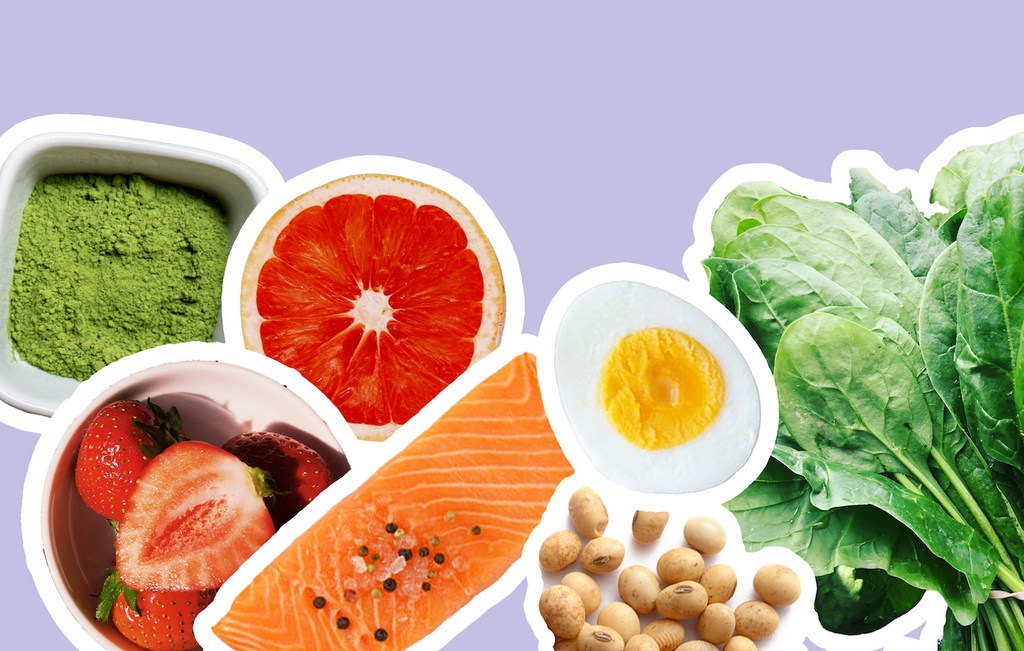
Dihydrotestosterone, commonly referred to as DHT, represents a hormone derived from testosterone that plays a significant role in the hair growth cycle. However, excessive levels of this hormone can obstruct hair follicles, leading to progressive hair thinning and loss over time. Both men and women produce DHT within their systems, and elevated concentrations or heightened sensitivity to it can trigger hair loss in either gender during midlife.
When developing a comprehensive strategy for supporting robust hair growth, incorporating specialized products and supplements designed as DHT inhibitors proves highly beneficial. Taking this approach even further involves integrating natural DHT-blocking elements directly into your daily meals through strategic food choices.
This detailed guide explores eight essential vitamins and nutrients that effectively target DHT by blocking its production, lowering its levels, or diminishing the body’s sensitivity to it. Similar to other hair restoration techniques, incorporating these nutrients requires patience and consistency. Optimal results emerge from combining them with a nutrient-dense diet, effective stress reduction practices, and a dedicated scalp care routine to foster a thriving scalp environment and stimulate fresh hair growth.
Vitamin B9 and Folic Acid for Hair Protection
Vitamin B9 exists in two primary forms: the natural folate present in various foods and the synthetic folic acid commonly found in fortified supplements. This vital nutrient supports critical cellular processes, including rapid cell division and the synthesis of DNA, which explains its widespread recommendation for expectant mothers to aid fetal development.
Beyond supplementation, numerous everyday foods serve as rich reservoirs of vitamin B9, making it straightforward to boost intake through diet alone. Excellent options include:
- Nutrient-packed leafy greens such as spinach and romaine lettuce
- Robust greens like collard greens, turnip greens, and mustard greens
- Fresh citrus fruits including grapefruit and oranges
- Juicy berries such as raspberries and strawberries
- Protein-rich legumes like lentils and various beans
- Organ meats, particularly liver
- Versatile squash in multiple varieties
- Earthy beets for added flavor and nutrition
Scientific research underscores the importance of vitamin B9 in repairing DNA and facilitating numerous biochemical reactions within the body. Since hair follicle activity relies heavily on these processes, this vitamin not only nurtures hair vitality but also excels at counteracting DHT’s detrimental effects on follicles.
Zinc and Selenium: Antioxidant Powerhouses Against Thinning
Hair thinning stems from various underlying factors, yet deficiencies in zinc or selenium often contribute significantly to the problem. These two minerals function synergistically as potent antioxidants, fulfilling diverse essential roles throughout the body, such as:
- Fortifying the immune response for better overall defense
- Accelerating wound healing and tissue repair
- Actively safeguarding against hair shedding and loss
- Enhancing skin vitality while mitigating visible aging signs
Zinc specifically helps regulate hormonal equilibrium by suppressing the activity of the enzyme 5-alpha-reductase, which converts testosterone into DHT. Its anti-inflammatory attributes further promote cellular proliferation, a cornerstone of scalp vitality and follicle maintenance. To elevate your zinc and selenium levels naturally, incorporate these dietary staples:
- Flavorful red meats and succulent oysters
- Nutritious egg yolks
- Crunchy almonds for a satisfying snack
- Soy-based products in various forms
Achieving appropriate dietary levels of zinc and selenium ensures that sebaceous glands and hair follicles remain in prime condition, supporting uninterrupted hair production.
Biotin: Strengthening Strands from Within
The B-complex vitamins consistently demonstrate remarkable benefits for hair wellness, with biotin—also known as vitamin B7—standing out as a favorite for enhancing hair quality. Biotin facilitates the assembly of keratin by assisting amino acids in their structural formation. Keratin, the primary protein composing hair, underpins treatments renowned for elevating hair’s strength, resilience, and overall condition.
Countless individuals turn to biotin supplements specifically to encourage elongated, faster-growing hair. Although it may not accelerate the growth rate itself, biotin fortifies each strand, reducing susceptibility to breakage and snaps. By minimizing damage, hair gains the chance to reach greater lengths naturally.
Kickstart your biotin intake with these wholesome food sources:
- Tender beef, liver, flaky salmon, and juicy pork chops
- Rich egg yolks
- A variety of seeds and nuts, especially sunflower seeds
- Sweet and starchy sweet potatoes
- Convenient bananas
- Crisp broccoli florets
- Creamy avocados
For maximum efficacy, combine biotin with complementary vitamins and minerals rather than relying on it in isolation. Standalone biotin might prove insufficient against overwhelming DHT levels, underscoring the value of a multifaceted nutritional approach to combat thinning effectively.
Niacin (Vitamin B3): Boosting Circulation and Follicle Health
Niacin, or vitamin B3, enjoys popularity in beauty regimens while remaining indispensable for holistic wellness. Research indicates its prowess in fostering hair proliferation, alongside advantages for skin rejuvenation and ocular health.
Niacin enhances scalp circulation, delivering vital nutrients to follicles while simultaneously neutralizing DHT’s influence. It synergizes particularly well with biotin, amplifying their combined impact on hair robustness. Replenish your niacin stores through these accessible foods:
- Hearty red meat, poultry, and fish
- Nutty brown rice
- A selection of nuts and seeds
- Simple bananas
Green Tea: Antioxidant Defense for Follicle Stimulation
Green tea brims with powerful antioxidants that combat oxidative stress by neutralizing free radicals, purifying the system, enhancing cognitive performance, and promoting supple skin alongside vigorous hair development.
The standout compound EGCG within green tea actively suppresses hormones linked to hair shedding, with a particular affinity for inhibiting DHT. Furthermore, it invigorates dormant follicles and spurs regeneration by shielding skin and hair cells from harm.
Easily integrate green tea into your routine via daily brewing of one or two cups, providing a simple yet effective means to harness its hair-supportive properties.
Vitamin A: Balancing Growth for Optimal Hair Tissue
As a cornerstone of cellular integrity across the body, vitamin A holds special relevance for hair, the quickest-growing human tissue. Adequate levels ensure the sebum production necessary for moisturizing and protecting the scalp.
Deficiencies in vitamin A frequently correlate with noticeable thinning, yet excess intake can paradoxically trigger similar issues. Striking the right balance comes from natural food sources like:
- Baked sweet potatoes
- Hearty pumpkins
- Fresh spinach
- Dairy staples including milk, eggs, and yogurt
Magnesium: Follicle Support and Stress Counteraction
Among the array of nutrients fueling superior hair growth, magnesium uniquely bolsters follicle vitality at the foundational level. A nourished scalp forms the bedrock of lustrous hair, necessitating focus on elements that elevate its condition.
While DHT excess clogs follicles and degrades scalp quality, magnesium counters this by invigorating follicular function. It additionally alleviates stress-induced hair loss, a prevalent midlife culprit. Many people fall short on magnesium intake, but remedying this is straightforward with foods such as:
- Diverse nuts including almonds, cashews, and Brazil nuts
- Buttery avocados
- Indulgent dark chocolate
- Vibrant leafy greens
Collagen: Amino Acid Foundation for Stronger Hair
Composed of proline, glycine, and hydroxyproline, collagen directly nourishes hair follicles through these amino acids. Proline, in particular, links closely to keratin synthesis, fortifying hair’s core structure and promoting resilient growth.
Natural collagen synthesis wanes starting around age 25, contributing to aging markers like fine lines, joint discomfort, and follicular weakening. Boost collagen via dietary supplements, versatile powders, or nourishing bone broths to counteract these declines.
Final Considerations for Personalized Hair Nutrition
Individual physiology dictates varying responses to these nutrients, with certain vitamins potentially outperforming others for specific hair concerns. Prior to initiating any supplementation protocol, consult a healthcare provider to assess personal deficiencies, review lab results, and evaluate possible interactions or side effects for safe, tailored implementation.