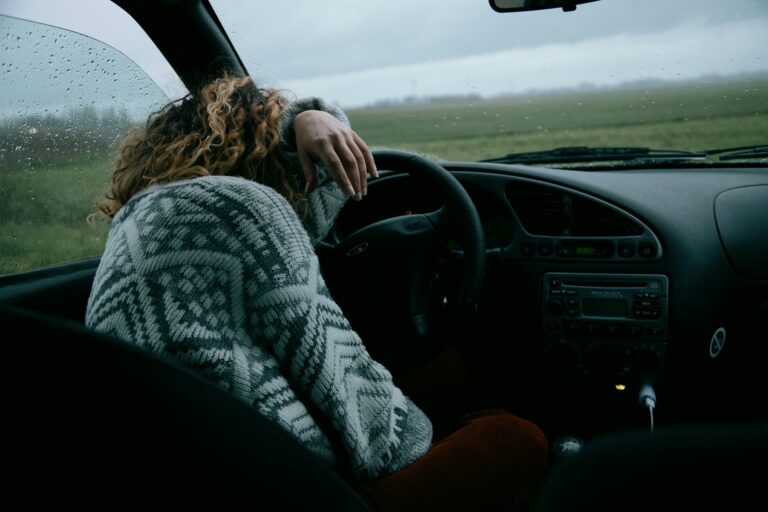
This narrative delves into the disastrous vacation we endured right at the peak of my burnout phase, long before I recognized it as such or even understood the term. Embracing the spirit of summertime, this month’s in-depth explorations center on the vital role of rest and recovery in warding off burnout and facilitating its reversal. We’ll examine the robust scientific research supporting rest’s effectiveness against burnout, along with my most practical recommendations for optimizing leisure time to avert burnout proactively and recover from it comprehensively. Additionally, we’ll uncover why typical vacations fall short of resolving burnout entirely.
A Camping Trip Turned Catastrophe in Cornwall
During the summer of 2019, my family and I set out for a camping getaway in Cornwall. Unbeknownst to me then, I was teetering on the edge of a full-blown burnout crisis, gripped by an overwhelming desperation I couldn’t yet name. The turmoil in my mind felt like I was hurtling toward a complete mental collapse, with every thought consumed by impending doom.
For some time, I had confided in my husband about the precarious tightrope I was walking, where even the tiniest disruption could send me plummeting. I felt utterly overwhelmed by the endless array of responsibilities and tasks I was juggling, convinced I was failing at all of them. Internally, a toxic blend of profound hopelessness, relentless anxiety, sheer panic, and a total absence of pleasure in any activity had taken hold. I had become a hollow version of my former self, drained of vitality and joy.
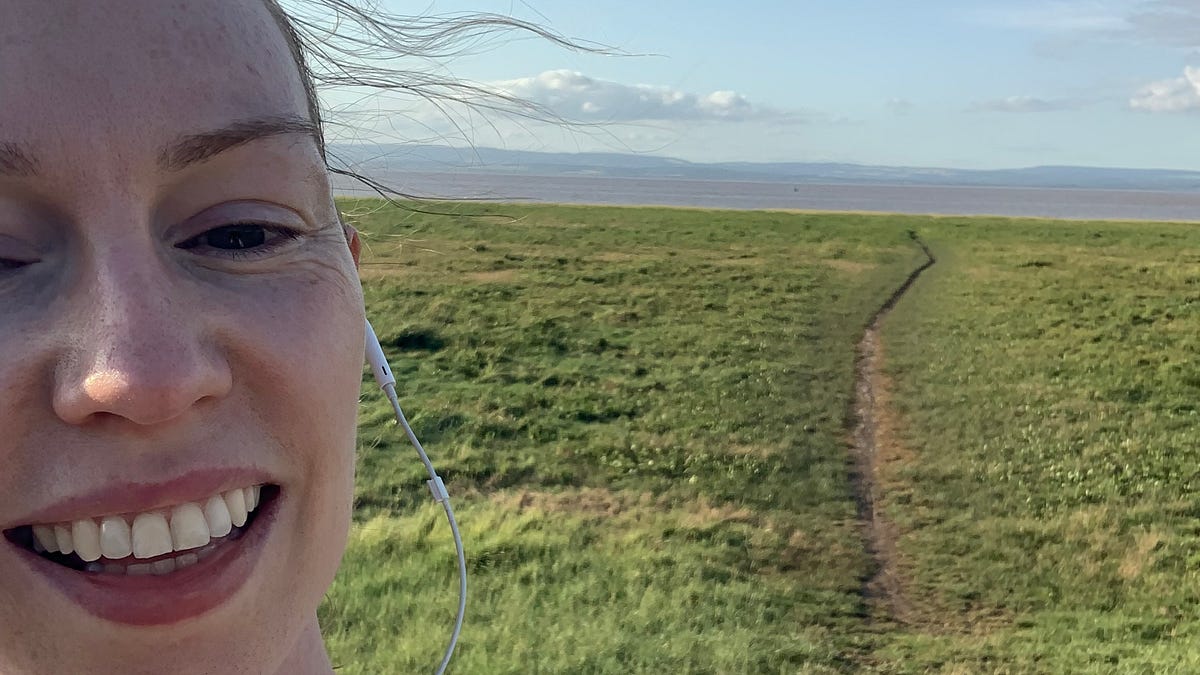
This image stands as one of the scant few photographs of me from that harrowing summer—one of only one or two taken throughout the entire six-month span of my burnout ordeal.
As we motored down the M5 motorway, I turned to my husband and pleaded that this trip absolutely had to succeed in restoring me. He cautioned that I was heaping excessive expectations onto the holiday itself. His words ignited a firestorm of rage within me at that moment. How could he dismiss my plight like that? He had no grasp of the chaotic desperation swirling in my mind or the urgent need for this escape to mend my fractured state.
Compounding the tension, midway through the drive, he received an urgent work call and abruptly left, stranding me alone with our young children and the camper van. True to classic British weather woes, a ferocious overnight downpour ensued, so intense that water cascaded down the interior walls of the vehicle—a leak whose electrical repercussions linger to this day. There I was, isolated in a remote field under pitch-black skies, managing two small kids with barely any phone reception. Having set up an awning, driving away wasn’t an option.
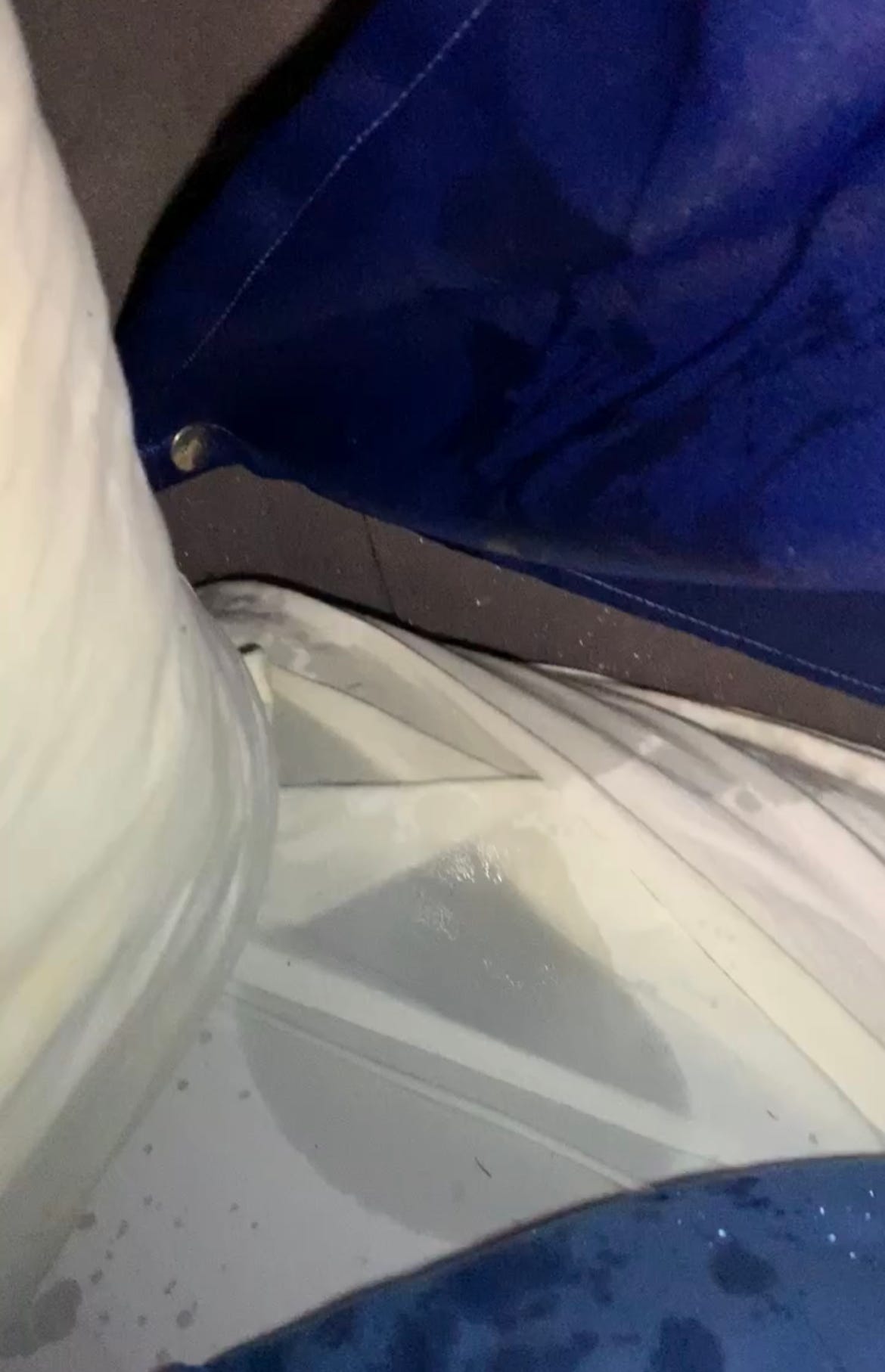
Rainwater dripping relentlessly down the van’s interior onto our bedding—a grim snapshot of the ordeal.
The sole reason I held it together was my responsibility as the only adult present for my children; otherwise, I would have utterly unraveled. It demanded every ounce of my willpower to stave off a total emotional implosion. Typically resilient and adept at handling crises, I was instead plunged into devastation, fury, and a paralyzing inability to think clearly or find solutions. I directed all my blame toward my husband for abandoning me to tackle this nightmare solo. The heartbreak was profound: this supposed stress-relieving holiday had devolved into a drenched disaster. I recognized that my reactions and feelings were wildly uncharacteristic, yet I was powerless to rein them in or navigate the situation effectively.
In ordinary circumstances, such an incident would register as a minor setback—frustrating, yes, but something I’d shrug off and overcome swiftly. This occasion was different. Reflecting now, it’s clear that burnout had eroded my capacity to cope, turning a manageable hiccup into an insurmountable barrier. Mere days after returning from the trip and resuming work, I spiraled into a crisis, manifesting full-fledged panic attacks.
Lessons from the Wreckage: Why Vacations Aren’t the Cure
Why recount this painful episode? Primarily, it underscores a critical blind spot: I was deep into burnout territory without any awareness of its nature or strategies to address it. I naively believed a brief getaway would eradicate the mental anguish, but reality proved otherwise. My husband had been spot-on; I had overburdened that holiday with unrealistic salvific hopes. Even had everything unfolded flawlessly, it likely wouldn’t have sufficed.
Burnout doesn’t vanish through a mere week of respite or an idyllic retreat. Research indicates an average recovery timeline spanning one to three years. True healing demands persistent effort, multifaceted strategies, and sustained commitment. Relying solely on holidays is futile; instead, cultivate daily work habits that promote sustainability, rather than perpetually deferring relief to distant breaks. Prevention and recovery hinge on integrating rest meaningfully into everyday life, not banking on infrequent escapes to reset an exhausted system.
This story serves as a stark reminder of burnout’s insidious progression and the pitfalls of misplaced expectations on short-term vacations. By prioritizing structured rest and recovery protocols backed by science, individuals can build resilience against burnout’s grip, ensuring that leisure time truly rejuvenates rather than merely postponing collapse. Effective downtime involves deliberate practices—everything from micro-breaks during the day to intentional unwinding rituals—that accumulate to foster long-term well-being, far beyond what a single holiday can achieve.