If you’ve ever wondered whether high-protein diets are truly necessary, you’re not alone! Many people are embracing high-protein plans for muscle growth, fat loss, and increased energy, but do we really need that much protein? And what about the risks of excess protein? 🤔 Let’s dive into the facts and explore how to strike the right balance for your health.
How Much Protein Do We Really Need?
Protein is a vital macronutrient that plays key roles in muscle repair, immune function, and the production of enzymes and hormones. The recommended amount for the average adult is about 0.8 grams of protein per kilogram of body weight (about 46g for women, 56g for men) according to the National Heart, Lung, and Blood Institute (NHLBI).
However, if you’re an athlete, or recovering from illness, or following an intense exercise regimen, you may need more protein to support muscle repair and growth. The International Society of Sports Nutrition suggests up to 2.0 grams per kilogram of body weight for athletes.
Is Excess Protein Harmful? ⚠️
While protein is essential, too much protein can have negative consequences. Excessive intake may result in:
- Kidney strain: Your kidneys filter out nitrogen, a byproduct of protein breakdown. Too much protein can strain the kidneys, especially if you already have kidney issues. 🧑⚕️
- Digestive issues: A high-protein diet, low in fiber, can lead to constipation and upset stomach. 🚫
- Heart disease risk: Diets high in red and processed meats can raise cholesterol and increase the risk of cardiovascular issues. 💔
Make sure your protein intake stays within the recommended limits, and always prioritize balance in your diet. A combination of macronutrients (protein, carbs, fats) is key to long-term health.
Natural vs. Processed Sources of Protein 🍖🥗
Not all protein is created equal! Let’s look at the difference between natural protein sources and processed protein products.
🌱 Natural Sources of Protein
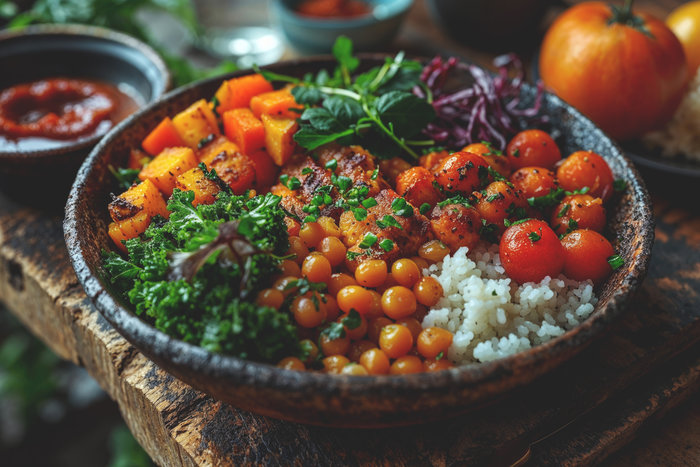
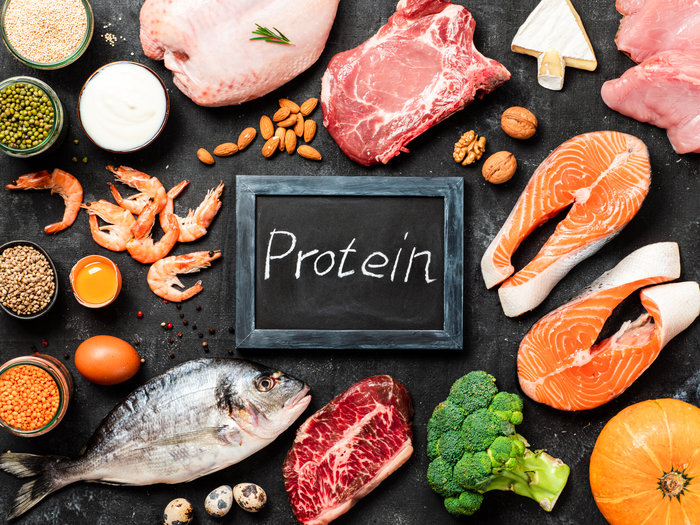
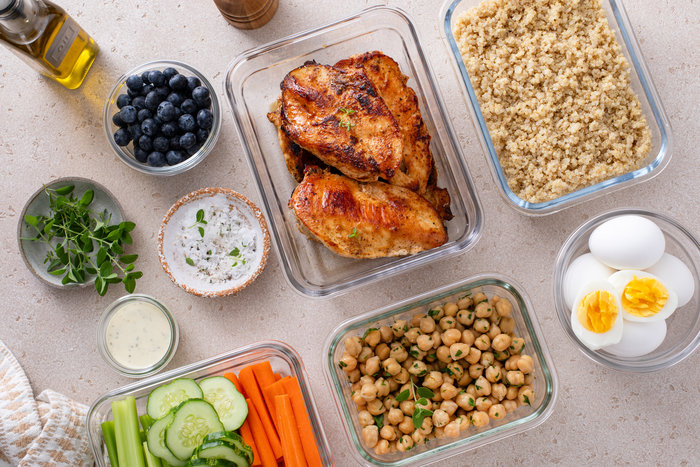
Whole foods provide high-quality, nutrient-dense protein along with other vitamins, minerals, and healthy fats. Here are some of the best natural protein sources:
| Protein Source | Key Nutrients |
|---|---|
| Lean meats (chicken, turkey, fish) | High in protein, omega-3s, B vitamins |
| Legumes (beans, lentils, chickpeas) | Fiber, iron, folate |
| Tofu and tempeh | Complete protein, iron, calcium |
| Nuts and seeds (almonds, chia, walnuts) | Healthy fats, fiber, antioxidants |
These natural sources offer not only protein but a full spectrum of other nutrients that support your health. The key is to consume a variety of these sources for a well-rounded, balanced diet. 🌿
🍔 Processed Sources of Protein
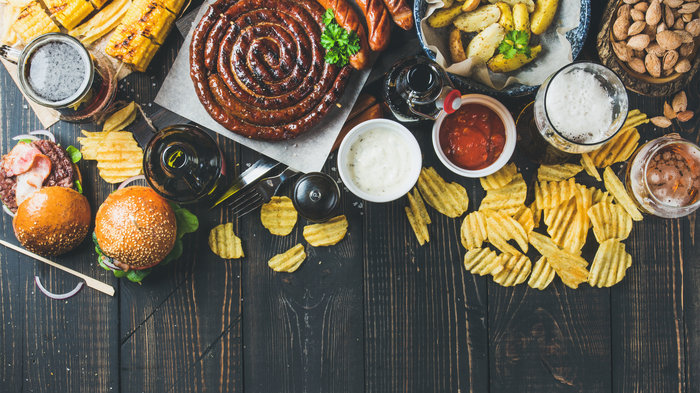
On the other hand, processed protein sources like protein bars, powders, and processed meats can sometimes come with added sugars, unhealthy fats, and artificial ingredients. Here’s what you should know:
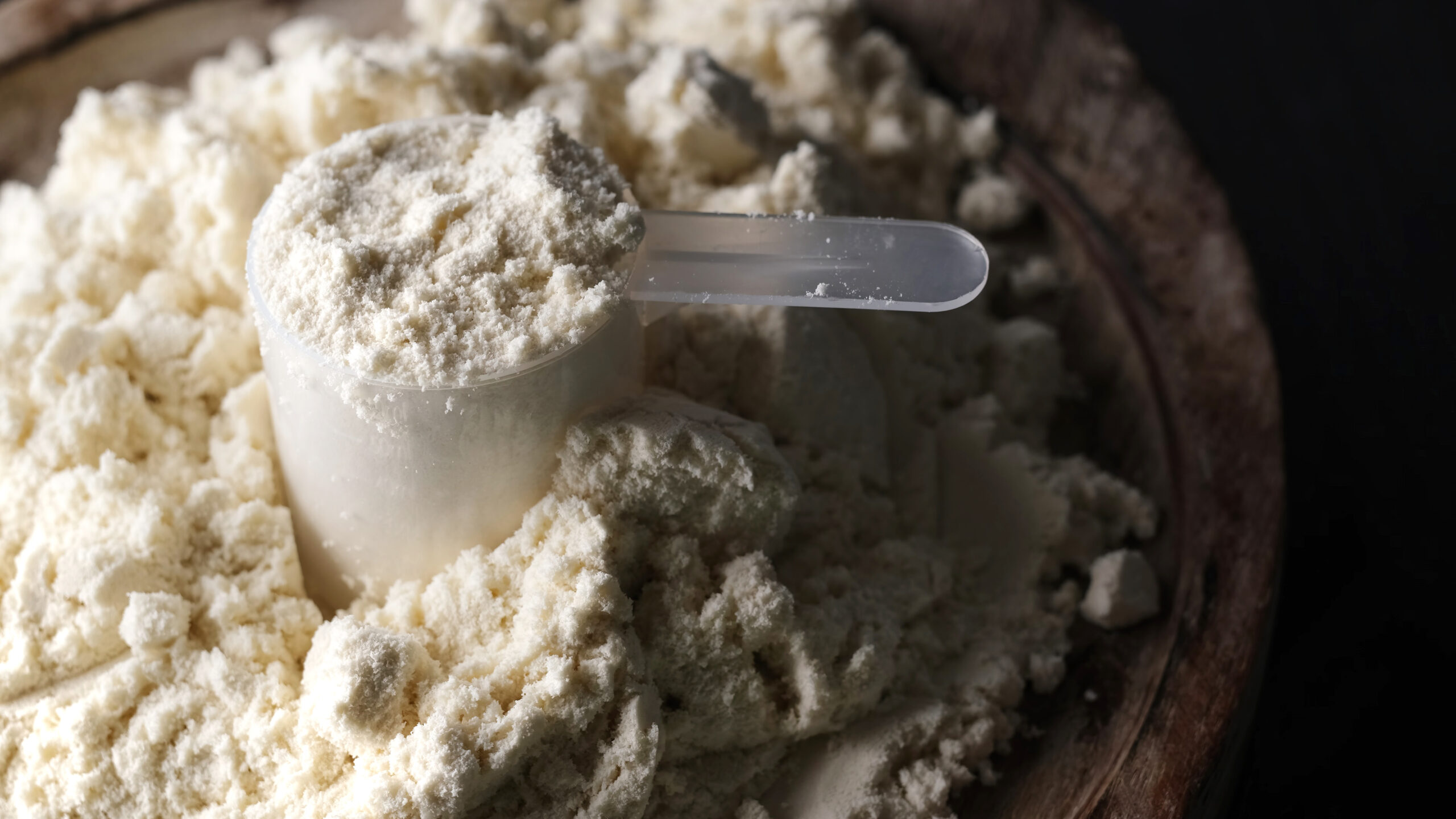
- Protein powders: Convenient, but often packed with artificial sweeteners and low-quality protein isolates. 🏋️♂️
- Processed meats: Sausages, hot dogs, and deli meats often contain preservatives, unhealthy fats, and excess sodium. 🚫
- Protein bars: Many contain added sugars, preservatives, and low-quality ingredients that don’t offer the same benefits as whole foods. 🍫
Processed protein should be consumed sparingly and only when needed, such as for convenience post-workout. But always aim for whole, natural protein sources to get the most nutritional benefit. 🥗
Final Thoughts: Protein Balance is Key ⚖️
Protein is crucial for maintaining good health, but moderation is key. While high-protein diets may be beneficial for certain individuals – especially those who are highly active – it’s important not to overdo it.
Focusing on natural, whole food sources of protein is the best approach for achieving a balanced and healthy diet. Be mindful of the quality of your protein sources, and always aim to keep your diet varied to ensure you’re getting a wide range of nutrients. 💪
Remember, balance and variety are the keys to good health – not extremes. 🌱