With the rise in popularity of GLP-1 medications like Ozempic for weight loss and managing type 2 diabetes, many are wondering: how should you eat while on these medications? While Ozempic and similar drugs help reduce appetite, it’s essential to ensure that you’re still meeting your nutritional needs. Let’s explore what you should eat when appetite is reduced, how to prevent muscle loss, and how to avoid nutritional deficiencies while on GLP-1 medication.
What Is GLP-1 and Ozempic? 💉
GLP-1 (glucagon-like peptide-1) is a hormone that plays an important role in regulating blood sugar, appetite, and digestion. Medications like Ozempic are GLP-1 receptor agonists, meaning they mimic the effects of GLP-1 in the body. They help lower blood sugar and promote weight loss by reducing appetite, slowing stomach emptying, and improving insulin sensitivity. Research has shown that these medications can lead to significant weight loss, which is a key factor in managing type 2 diabetes.
While Ozempic is effective for many, it can also cause a reduced appetite, leading to the challenge of getting enough nutrition. Here’s how to navigate your diet to stay healthy while using GLP-1 medications. 🌱
Eating With a Reduced Appetite 🍽️
If you’re experiencing a reduced appetite due to Ozempic, it can be tricky to consume enough calories and nutrients. However, it’s crucial to still get adequate nutrition, especially protein, vitamins, and minerals. Here are a few strategies:
- Small, frequent meals: Instead of large meals, aim for smaller portions more frequently throughout the day. This can help you avoid feeling overwhelmed by a big plate of food.
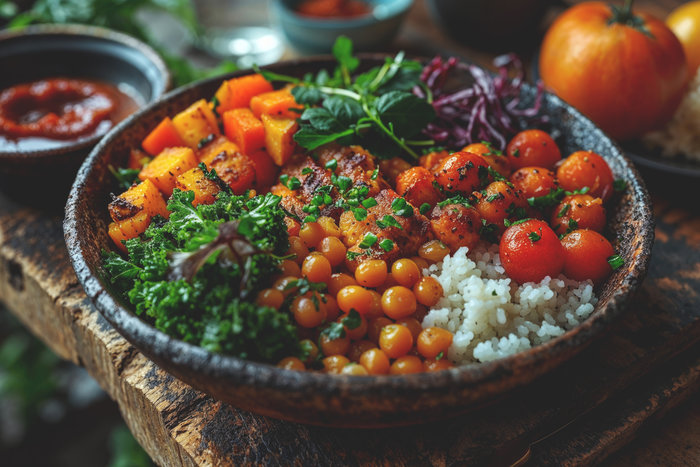
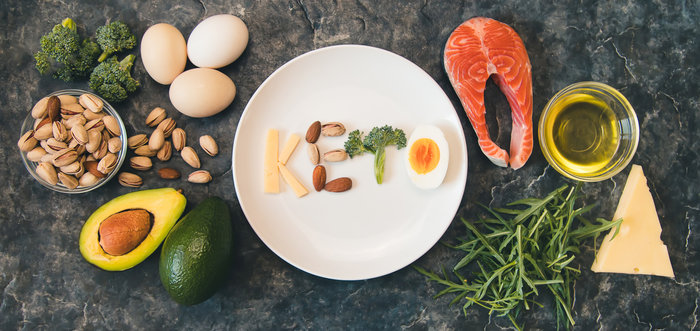
- Focus on nutrient-dense foods: Choose foods that are packed with nutrients but not necessarily high in volume. For example, opt for healthy fats like avocado and nuts, lean proteins like chicken or fish, and vegetables that are rich in vitamins and minerals. 🥑
- Liquid meals: If eating solid foods is tough, try smoothies or soups. These can be loaded with nutrients and are easier to consume when appetite is low. 🍓
- Healthy snacks: Keep high-protein snacks like Greek yogurt, cottage cheese, or protein bars handy to ensure you’re getting enough calories and protein. 🍿

Preventing Muscle Loss While on Ozempic
One concern when reducing calorie intake is the potential loss of muscle mass. This is particularly important if you’re using Ozempic for weight loss. To prevent muscle loss, you need to make sure you’re eating enough protein and engaging in strength training exercises. Here’s how to protect your muscles:
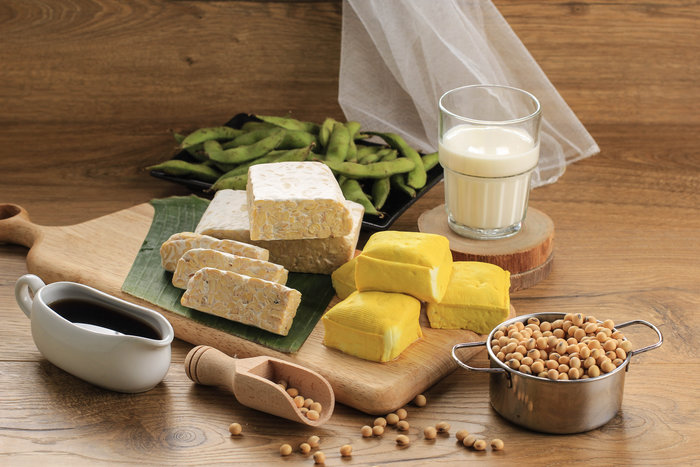
- Prioritize protein: Protein is essential for maintaining muscle mass. Aim for at least 1.2 to 2.0 grams of protein per kilogram of body weight each day, depending on your activity level. Good sources include lean meats, eggs, fish, and plant-based proteins like beans and lentils.
- Strength training: Incorporate resistance exercises into your routine, such as weight lifting or bodyweight exercises (e.g., squats, lunges). This helps stimulate muscle growth and maintain strength.
- Stay active: Even if appetite is reduced, aim for at least 30 minutes of physical activity daily. Activities like walking, yoga, or swimming can help preserve muscle and improve overall health.
Preventing Nutritional Deficiencies 🥦
When your appetite is reduced, it can be harder to consume the full range of vitamins and minerals your body needs. Here are some tips to avoid common deficiencies:
- Vitamin D and calcium: These are crucial for bone health and muscle function. Ensure you’re eating foods rich in calcium (e.g., dairy, fortified plant milk) and getting enough vitamin D from sunlight or supplements if necessary.
- Iron: Iron is important for maintaining energy levels. Include iron-rich foods like spinach, beans, and lean meats in your diet, and pair them with vitamin C (found in citrus fruits) to enhance absorption.
- Omega-3 fatty acids: These healthy fats support brain and heart health. Foods like fatty fish (salmon, mackerel), chia seeds, and flaxseeds are excellent sources.
- Multivitamin supplements: If you’re unable to get enough nutrients from food, consider taking a high-quality multivitamin. Always consult with a healthcare provider before starting any supplement.
Conclusion: Nourish Your Body While Using Ozempic
While GLP-1 medications like Ozempic are effective in promoting weight loss and controlling blood sugar, they can also reduce appetite. It’s important to take steps to ensure you’re still meeting your nutritional needs, maintaining muscle mass, and preventing deficiencies. By focusing on nutrient-dense foods, prioritizing protein, staying active, and being mindful of your vitamin and mineral intake, you can support your body through the weight loss journey and promote long-term health. 🌟
For more information on managing nutrition with GLP-1 medications, check out this research on GLP-1 receptor agonists.