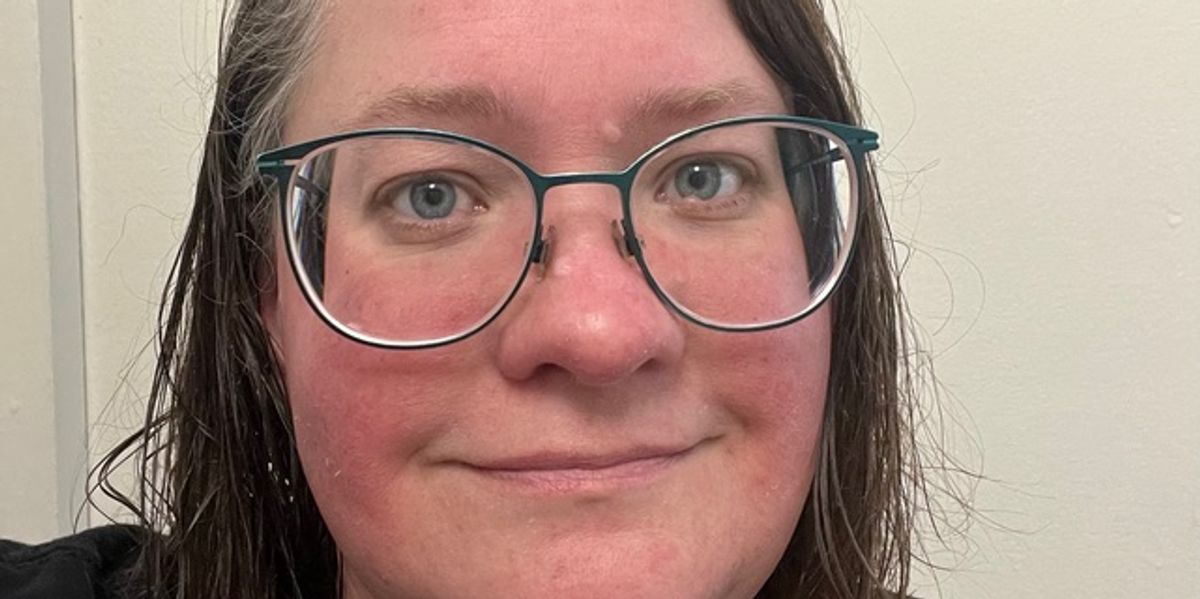
In 2020, my teenage son and I were still adjusting to our new circumstances in life. Just a few years earlier, during my late thirties, I had ended my marriage, relocated from Washington to Utah, and stepped into the role of a single mother. I was employed at a corporate position, and my daily routine was overflowing with responsibilities from my job and parenting duties.
Even with such a hectic lifestyle and zero noticeable symptoms, I prioritized scheduling yearly medical check-ups, which included Pap smears. Previously, I had received abnormal findings from these tests, which often indicate potential severe issues such as precancerous or malignant cells. For me, the recommendation had simply been to continue regular monitoring without further intervention at that time.
Positioned on the examination table, covered by the standard crinkly paper sheet, I had no inkling that anything was amiss. However, the moment the nurse practitioner initiated the procedure, it became immediately clear that a significant problem existed.
‘Are you aware that there is a mass on your cervix?’ she inquired directly.
‘Excuse me?’ I responded in shock. ‘A mass? What exactly do you mean?’
‘I’m going to escort you to the adjacent room right away,’ she explained. ‘The on-call physician will assist with performing a biopsy.’
My pulse raced with intense anxiety, and my thoughts spun wildly, yet I drew a measure of comfort from the fact that my healthcare providers were addressing the situation with urgency and professionalism.
Following the completion of the biopsy, I endured a tense week-long wait for the laboratory results. That period of uncertainty was excruciatingly difficult. I not only feared receiving unfavorable outcomes but was particularly averse to hearing them delivered via telephone. When the nurse finally obtained the report, I insisted on an immediate in-person consultation with both her and a physician.
The subsequent day, during the appointment, the nurse practitioner and the doctor delivered the devastating confirmation: I was diagnosed with cervical adenocarcinoma, a specific form of cervical cancer. I possessed no prior knowledge about this particular malignancy and yearned for detailed information.
‘Can I beat this?’ I pressed urgently. ‘Will I make it through?’
The physician regarded me with a gaze lacking any warmth or compassion.
‘Hmm,’ she murmured dismissively. ‘I’m not sure.’
Her detached and nonchalant demeanor filled me with rage. I refused to tolerate such an attitude in that critical moment.
I requested that she exit the room immediately.
Once the doctor departed, the nurse practitioner provided a clearer explanation: I required an evaluation by a specialized gynecologic oncologist to determine the cancer’s stage and explore available treatment pathways. She promptly arranged for all my medical documentation to be transmitted to one of the most esteemed specialists in the region.
Upon leaving the office, I retreated to my car and unleashed a torrent of tears. I messaged my partner, inquiring if I could reach him at his workplace. As he stepped out to take the call, he prompted me for the diagnosis details. His immediate response upon learning of my cancer was reassuring: ‘We’ll navigate this together.’
The next call proved even more emotionally draining—I had to inform my mother back in Michigan. It’s a familiar phrase, but as she picked up, I cautioned, ‘Are you seated comfortably?’
‘It’s cancer, right?’ she intuited instantly.
‘Yes,’ I confirmed.
‘Where are you right now?’
‘Sitting in the hospital parking lot.’
‘So, what’s your next step?’
‘Surprisingly, I’m heading to work.’
And that’s precisely what I did. Immersing myself in the familiarity of my workplace offered a temporary refuge from cancer discussions and morbid contemplations of mortality. The commute to Salt Lake City spanned 45 minutes, during which I cranked up the rock radio station, allowing the powerful vocals of Ozzy Osbourne to blend with my own expressions of grief.
I delayed sharing the news with my 15-year-old son for a full week. The instant I uttered the word ‘cancer,’ he responded with optimistic worry: ‘What’s next?’ I reassured him that answers would come soon, and afterward, I experienced a sense of relief and emotional lightness.
Roughly two weeks post-diagnosis, I completed a PET scan, where the radiologist informed me that my condition was stage 1B1 cervical cancer, teetering on the edge of progressing to stage 2. An additional two weeks later, I consulted with Dr. Hunn, the acclaimed gynecologic oncologist who had been recommended.
Dr. Hunn exceeded my expectations as an oncologist. She had meticulously examined my records and conveyed with genuine compassion and assurance: ‘I will guide you through this successfully.’
She outlined a comprehensive treatment strategy:
- Six weeks of chemotherapy sessions
- Six weeks of radiation therapy administered five days per week
- Two to five sessions of brachytherapy, contingent on tumor reduction
- A complete hysterectomy procedure
I committed fully to the plan and prepared myself for the battle ahead. Enduring this multifaceted regimen proved immensely grueling. The radiation caused painful burns across my lower abdomen. Chemotherapy triggered severe nausea, accompanied by intense vomiting and diarrhea. My desire for food vanished entirely, and even my cherished morning coffee became utterly unpalatable.
Ultimately, I required two brachytherapy treatments before proceeding to the hysterectomy. Although I had no intentions of bearing additional children, the emotional weight of the hysterectomy lingered, and the physical recovery was arduous. Coinciding with the peak of the COVID-19 pandemic, I navigated most of my treatments in isolation. Post-surgery, masked and alone after the removal of my uterus—while still recuperating from the dual assault of chemo and radiation—the solitude was profoundly isolating. I wept uncontrollably during those moments.
The full course of my therapy extended over approximately three months. In 2021, I received the most joyful update imaginable: I had achieved remission.
From the outset, I harbored fears of mortality, especially after recently losing a close friend to cancer, yet I consciously cultivated a positive and hopeful outlook throughout the ordeal. My nurse affectionately dubbed me ‘Positive Petunia.’ I have since maintained this resilient mindset, extending it not only to my own life but also to support fellow members of the cancer survivor community.
I have immersed myself deeply in a network of other cervical cancer survivors, continually enhancing my skills as an advocate—not solely for cervical cancer but across various cancer types. Nevertheless, I observe a concerning scarcity of open dialogue regarding cervical cancer and other malignancies affecting the pelvic region. Societally, these conditions carry unfortunate stigmas. Advocacy efforts aim squarely at dismantling such barriers.
Currently, I remain cancer-free. I manage ongoing side effects from the treatments, such as neuropathy in my feet and lymphedema in my left leg. Though only in my forties, certain days leave me feeling aged beyond my years. I gently remind myself of the immense trials I have endured and overcome.
I share this personal account partly because it connects to a broader, highly pertinent issue: the HPV vaccine. Astonishingly, I was unaware of my HPV infection until the very day of my cervical cancer diagnosis. Prior notifications had only flagged my Pap smears as ‘abnormal,’ without further elaboration.
While the majority of HPV infections clear naturally within a couple of years, certain high-risk variants can lead to multiple cancers, notably cervical cancer. Prevention is achievable through vaccination. The HPV vaccine is accessible for individuals aged 9 to 45. Once I became eligible post-treatment, I eagerly received the vaccine without hesitation.
Fostering effective advocacy for conditions like cervical cancer involves staying informed about essential preventive tools, such as vaccines and routine screenings. If I had missed or delayed that scheduled Pap test, my story might have ended differently—I might not be here sharing it today.