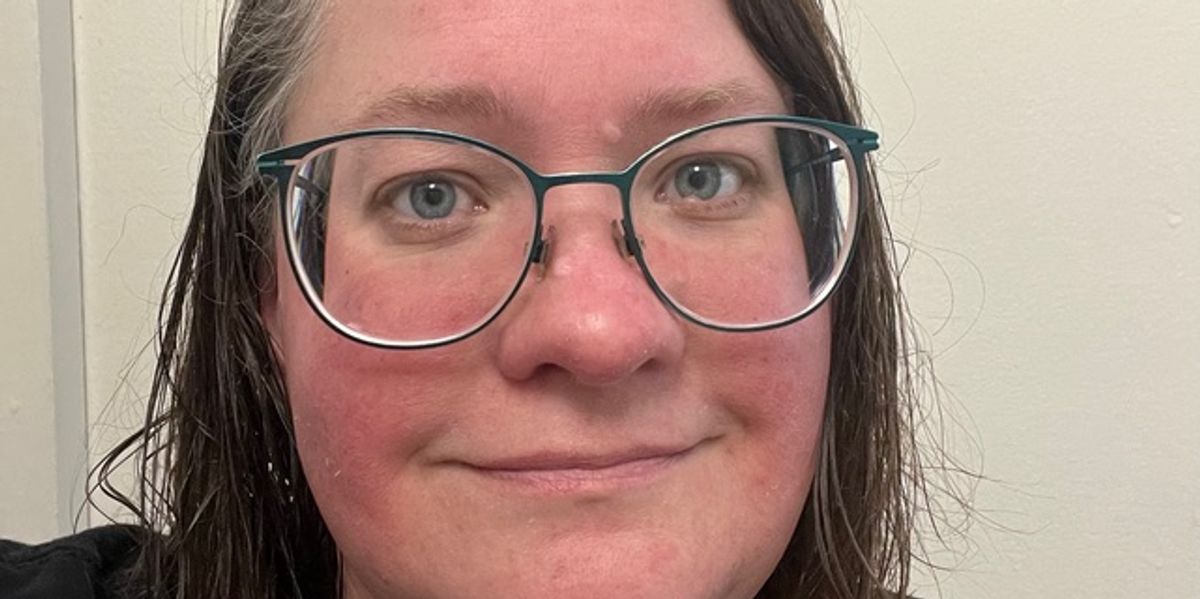
In 2020, my teenage son and I were still adjusting to a relatively new chapter in our lives. A few years before turning 40, I had separated from my husband, relocated from Washington to Utah, and embraced single motherhood. I held a demanding position at a large corporation, staying incredibly busy with my career and all the responsibilities that came with raising my child.
Despite my packed schedule and the complete absence of any symptoms, I made it a priority to stay current with my yearly medical checkups, which included regular Pap tests. I had experienced abnormal results in the past, findings that can sometimes signal serious issues like cancerous or precancerous cells. For me, the guidance was straightforward: simply monitor and follow up as needed.
Lying there on the thin, crinkled paper sheet draped over the exam table, I had no inkling that anything was amiss. But as the certified nurse began the procedure, it became clear that something was seriously wrong.
“Do you realize you have a mass on your cervix?” she remarked.
“What?” I replied in shock. “Did you say I have what?!”
“Move to the next room for further assessment,” she instructed. “A doctor will come in to perform a biopsy.”
My heart pounded wildly with panic, and my thoughts raced uncontrollably, yet I found a sliver of comfort knowing my medical team was addressing this urgently and thoroughly.
After the biopsy was completed, I faced about a week’s wait for the results, a period that felt like pure torment. The fear of hearing devastating news, especially over the phone, consumed me. When the nurse finally had the outcomes ready, I insisted on an in-person appointment with her and the doctor at the earliest convenience.
The very next day, during the follow-up visit, both the certified nurse and the doctor delivered the diagnosis: cervical adenocarcinoma, a specific form of cervical cancer. I was entirely unfamiliar with this type of malignancy and desperately craved clear information.
“Will I beat this?” I asked urgently. “Am I going to survive?”
The doctor gazed at me with an expression devoid of warmth or reassurance.
“Hmm,” she mused vaguely. “I’m not sure.”
Her casual detachment was deeply unsettling, and I had no patience for it in that moment.
I requested that she leave the room immediately.
Once the doctor departed, the certified nurse clarified that I needed to schedule a consultation with a gynecologic oncologist to determine the cancer’s stage and explore treatment possibilities. She assured me that all my medical records had been faxed to one of the state’s top specialists.
As I stepped out of the office, I headed straight to my car and broke down in uncontrollable sobs. I texted my partner, asking if I could call him at work. I reached him just as he was finishing his shift, and when he inquired about the biopsy results, his immediate response upon learning of my cancer diagnosis was, “We’ll get through this together.”
Next came an even more heart-wrenching call to my mom back in Michigan. It was a classic moment: when she picked up, I said I had the results and asked, “Are you sitting down?”
“It’s cancer, isn’t it?” she guessed instantly.
“Yes,” I confirmed.
“Where are you right now?”
“In the hospital parking lot.”
“What’s your next step?”
“Believe it or not, I’m heading to work.”
And that’s precisely what I did. I craved the familiarity of my routine, a space free from cancer discussions or morbid thoughts about mortality. The 45-minute drive to downtown Salt Lake City became my escape; I cranked up a rock radio station and belted out Ozzy Osbourne tunes at the top of my lungs.
I waited a full week before sharing the news with my 15-year-old son. When I uttered the word “cancer,” he looked at me with a mix of worry and hope, asking, “What happens now?” I reassured him that we’d know more very soon. Speaking openly with him lifted a weight off my shoulders and brought me a sense of peace.
About two weeks after the initial diagnosis, I underwent a PET scan, during which the radiologist informed me that I had stage 1B1 cervical cancer, teetering on the edge of progressing to stage 2. Two weeks later, I met with Dr. Hunn, a highly esteemed gynecologic oncologist.
Dr. Hunn exceeded every expectation I had for an oncologist. She had meticulously reviewed my case and spoke to me with genuine empathy and unwavering confidence: “I’m going to get you through this, and we will succeed.”
She outlined a comprehensive treatment plan:
- Six weeks of chemotherapy
- Six weeks of radiation therapy, administered five days per week
- Two to five rounds of brachytherapy if the tumor didn’t shrink sufficiently
- A total hysterectomy
I was fully on board and eager to begin. Enduring this regimen proved extraordinarily grueling. The radiation caused severe burns on the lower part of my abdomen. Chemotherapy brought relentless nausea, vomiting, and diarrhea, stripping away my appetite entirely. Even my beloved coffee tasted utterly repulsive.
I required two rounds of brachytherapy, followed by the hysterectomy. Since I had no plans for more children, the emotional side of the hysterectomy was manageable, but the recovery was excruciatingly painful. All of this unfolded amid the height of the COVID-19 pandemic, forcing me to navigate treatments in isolation. Wearing a mask and recovering alone after uterus removal, on top of chemo and radiation effects, was profoundly lonely. I wept uncontrollably during those times.
The entire treatment course spanned roughly three months. In 2021, I received the most incredible news of my life: I was officially in remission.
From the outset, the fear of death loomed large, especially after losing a close friend to cancer. Yet, I committed to maintaining a positive and optimistic outlook throughout. My nurse affectionately dubbed me “Positive Petunia.” I held onto that mindset not just for myself, but to uplift fellow cancer patients as well.
I’ve been actively participating in cervical cancer survivor support groups, where I’m continually learning better ways to raise awareness about cervical cancer and other malignancies. Through these experiences, I’ve observed a troubling scarcity of open dialogues surrounding cervical cancer and similar conditions that impact people in intimate, personal ways. Society often stigmatizes them. A key goal of awareness efforts is to dismantle those stigmas once and for all.
Today, I remain cancer-free. I manage ongoing side effects from the treatments, such as neuropathy in my feet and lymphedema in my left leg. Barely into my early 40s, there are days when I feel remarkably aged. I remind myself that I’ve endured an extraordinary ordeal.
I’m sharing my story now because it ties into a broader, vitally important topic: the HPV vaccine. I didn’t even know I had HPV until my cervical cancer diagnosis. Previously, I’d only been told my Pap tests were “abnormal.”
While most HPV infections clear up naturally within a couple of years, certain high-risk strains can lead to various cancers, including cervical cancer. Fortunately, there’s a proven way to curb its spread. The HPV vaccine is accessible for individuals aged 9 to 45. As soon as I became eligible post-treatment, I received it without hesitation.
Raising awareness about conditions like cervical cancer also means highlighting the availability and safety of essential preventive measures, such as vaccines and screenings. Had I not prioritized that routine Pap test on time, I might not be here today to share this account.