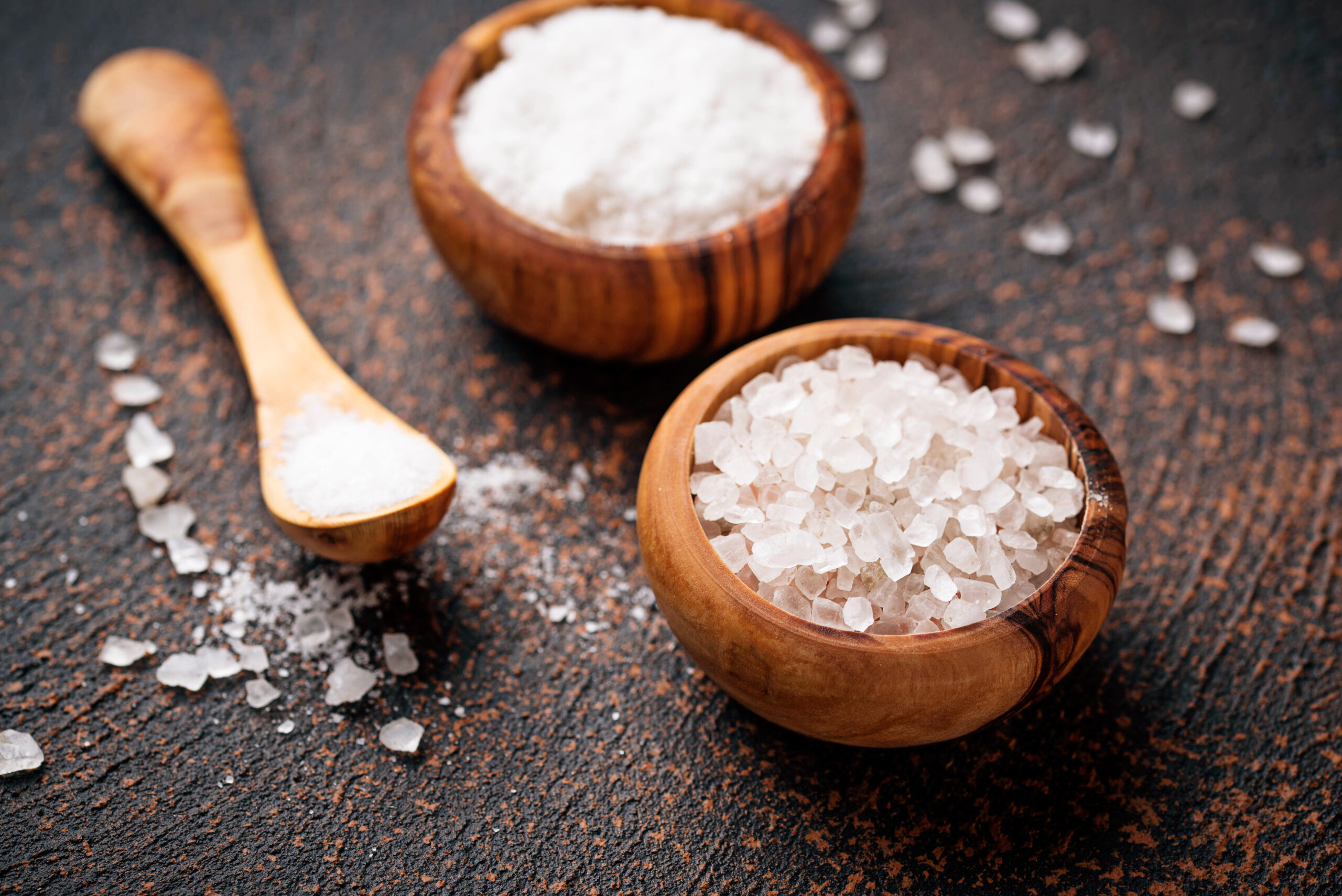
Salt is one of the most common ingredients in the world. It enhances flavor, preserves food, and plays an essential role in our health. But while salt is necessary for life, consuming too much of it can quietly harm your body over time.
The Good: Why Your Body Needs Salt
Salt contains sodium, a mineral that is essential for survival. Your body needs sodium to:
Without enough sodium, symptoms like dizziness, muscle cramps, and fatigue can occur. In extreme cases, very low sodium levels (hyponatremia) can become dangerous.
According to the Harvard T.H. Chan School of Public Health, sodium plays a crucial role in maintaining normal cellular function and fluid balance.
The Bad: When Salt Becomes Harmful
While your body needs sodium, most people consume far more than necessary. The average diet – especially one high in processed foods – contains excessive amounts of hidden salt.
Too much sodium can lead to:
The Centers for Disease Control and Prevention (CDC) states that excess sodium intake is directly linked to high blood pressure – one of the leading risk factors for heart disease and stroke.
Research also shows that long-term high salt intake may contribute to cardiovascular complications. You can explore more about this from the American Heart Association.
So is salt good or bad? The answer is: both – it depends on how much you consume.

How Much Salt Is Too Much?
Health organizations recommend limiting sodium intake to about 2,300 mg per day (about one teaspoon of salt), and ideally closer to 1,500 mg per day for most adults – especially those with high blood pressure.
However, many people consume over 3,400 mg daily, largely due to processed foods, restaurant meals, sauces, and packaged snacks.
Hidden Sources of Salt
You may not even realize where sodium is coming from.
Common hidden sources include:
- Bread and baked goods
- Canned soups
- Processed meats
- Cheese
- Salad dressings and sauces
Learning how to read nutrition labels can significantly reduce your intake. The U.S. Food & Drug Administration (FDA) provides helpful guidance on understanding sodium on food labels.
Finding the Right Balance
Salt itself is not the enemy – excess is.
A balanced approach includes:
- Choosing whole, minimally processed foods
- Cooking more meals at home
- Using herbs and spices instead of extra salt
- Tasting food before automatically adding salt
Your body thrives on balance. When sodium intake is appropriate, it supports hydration, nerve function, and muscle performance. When it’s excessive, it quietly stresses your cardiovascular system.
Final Thoughts
Salt is essential – but moderation is key.
Understanding how sodium affects your body empowers you to make smarter food choices. Small adjustments – like reading labels or cooking more at home – can significantly improve long-term health.
If you want to explore this topic further, consider reviewing resources from the CDC, American Heart Association, and Harvard Nutrition Source.
Balance, awareness, and informed choices make all the difference.