
Japanese eating habits are renowned for their health benefits and connection to longevity. Known for their balance, portion control, and mindful eating, the Japanese diet offers valuable lessons for anyone looking to improve their own health. Let’s take a closer look at what we can learn from their approach to food.
1. Portion Control: Eat Until You’re 80% Full
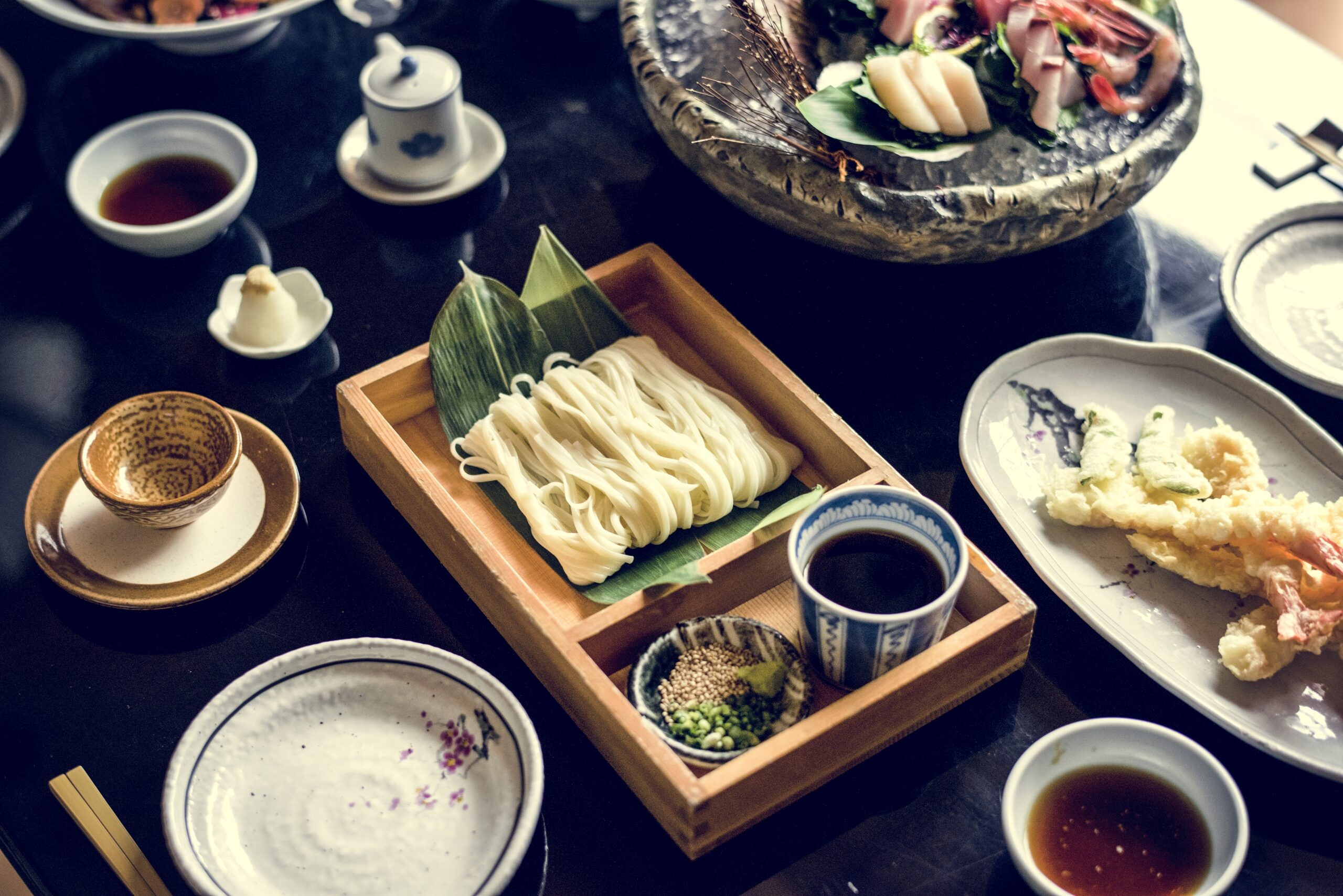
One of the core principles of Japanese eating is portion control. Meals are traditionally served in smaller portions, naturally reducing overeating. The concept of Hara Hachi Bu encourages eating until you’re about 80% full, which promotes moderation and prevents overeating. This approach has been shown to help maintain a healthy weight and reduce the risk of chronic diseases like diabetes and heart disease. Research shows that portion control plays a key role in preventing obesity. If you want to learn more, click here:
2. A Balanced Diet: Fresh, Seasonal, and Fish-Based
The Japanese diet is rich in vegetables, seafood, and whole grains while being low in red meats and processed foods. Foods like salmon, mackerel, and tofu provide omega-3 fatty acids, which are vital for heart health and brain function. Including seaweed and tofu ensures plenty of fiber and antioxidants. A plant-based diet, as studies suggest, can significantly lower the risk of cardiovascular diseases and improve gut health.
3. Mindful Eating: Appreciate Your Food
In Japan, food isn’t just about eating-it’s about enjoying and appreciating each bite. The practice of “shokuiku” (food education) encourages people to eat slowly, savoring flavors and focusing on quality over quantity. This leads to better digestion and a healthier relationship with food. Studies on mindful eating have shown that paying attention to food, eating slowly, and appreciating the experience can improve digestion and prevent overeating. It’s associated with a healthier relationship with food and improved overall well-being.
4. Seasonal Eating: Fresh is Best
Japanese meals often revolve around seasonal ingredients, ensuring the freshest and most nutrient-dense foods. This practice of eating foods in season provides a wide variety of vitamins and minerals throughout the year. Seasonal eating has been linked to better health outcomes, with research showing that seasonal produce is often higher in antioxidants and nutrients.
5. The Power of Seafood: Omega-3s for Heart & Brain Health
Fish, particularly fatty fish like salmon and sardines, are staples in the Japanese diet. These fish are rich in omega-3 fatty acids, which have been shown to reduce the risk of heart disease and enhance brain health. Numerous studies, such as those published in the American Journal of Clinical Nutrition, highlight the significant benefits of omega-3s for overall health. For example, a study found that regular consumption of omega-3-rich fish can reduce the risk of heart disease and stroke.
6. Green Tea: A Health Powerhouse
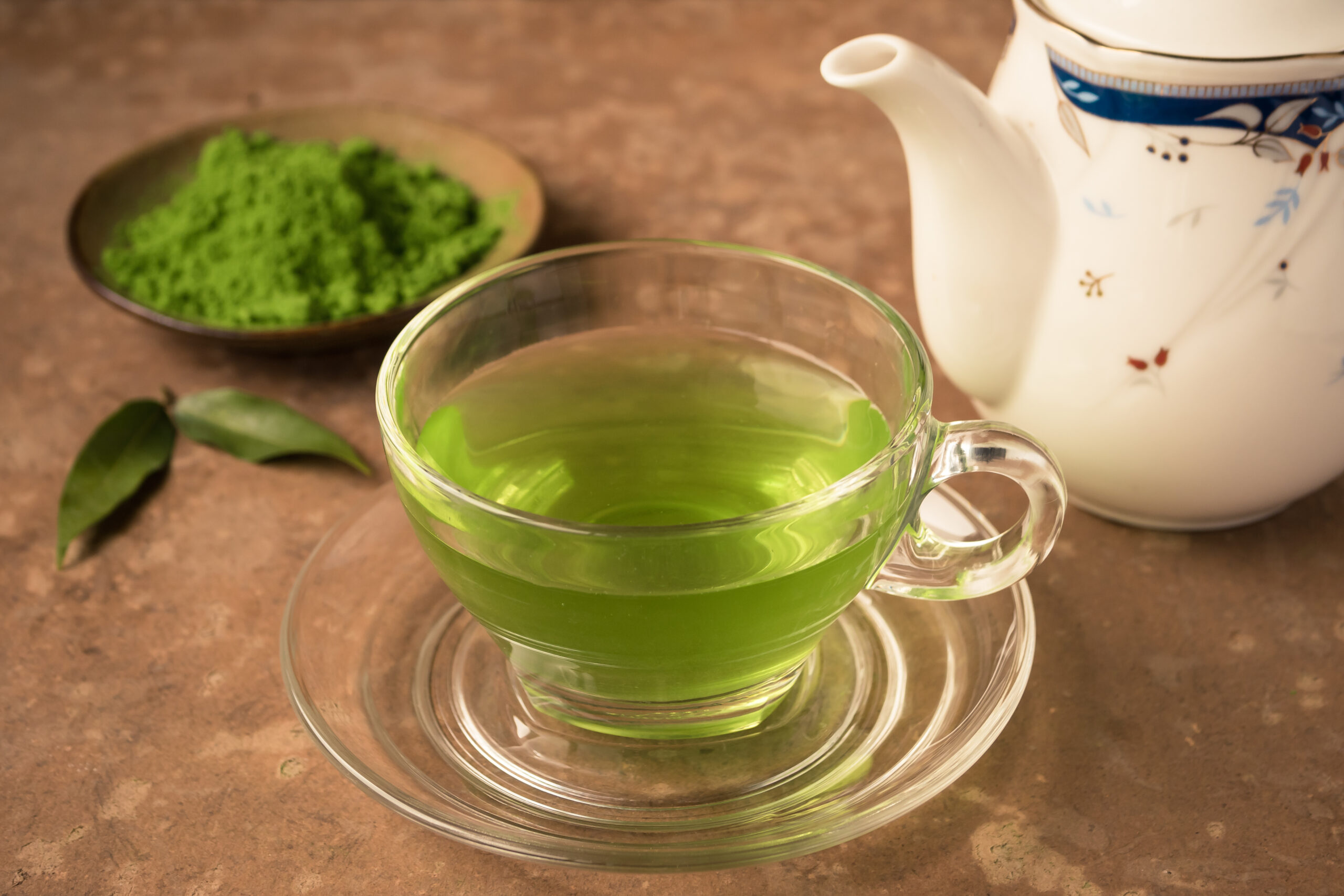
Green tea is another staple in the Japanese diet, packed with catechins, a type of antioxidant that boosts metabolism and fights inflammation. Studies have linked regular green tea consumption to reduced risks of cardiovascular disease and cancer. For instance, the JAMA study found that green tea drinkers had lower risks of heart disease and stroke.
How to Apply Japanese Eating Habits to Your Life
You don’t have to adopt every single aspect of the Japanese diet, but integrating key habits into your daily routine can have lasting benefits for your health and well-being.
- Eat mindfully – Slow down and appreciate the food you eat.
- Portion control – Try eating until you’re 80% full to avoid overeating.
- Add more fish – Include fatty fish like salmon or mackerel for heart and brain health.
- Eat seasonally – Choose fresh, in-season fruits and vegetables to maximize nutrients.
- Drink green tea – A cup of green tea a day may benefit your heart and metabolism.

Read More:
By incorporating some of these simple yet powerful habits from the Japanese diet, you can enjoy better health and a deeper connection with your food.